
About
What is the Civility Industrial Complex?
Why are there so many new campus programs touting phrases like “civil discourse,” “viewpoint diversity,” and “depolarization”?
It’s not because students are demanding them. To the contrary, many of these programs struggle to find on-campus clients. Some resort to paying students—in money or other incentives—to show up to their classes and programming. Others fill the seats by making participation a requirement.
It’s not because there’s any evidence that students are reluctant to engage with diverse ideas. Organizations like FIRE have tried for years to produce such evidence, and still their own research shows the opposite.
And it’s not because faculty are stifling student opinions, indoctrinating them, or punishing them for their political positions. Again, the very organizations that push these notions have tried and failed to provide evidence for them.
Rather, “dialogue” and “civility” initiatives have exploded because highly partisan donors and extremist politicians are demanding them, to the tune of more than $200 million per year.
We carried out a first-of-its-kind analysis of the funders behind these programs. By following the money, we put a spotlight on 23 foundations with the largest footprint in the Civility Industry. Of these, all but three are heavily invested in conservative or “pro-Israel” causes—and those 20 foundations represented 97% of the total dollars in our top-23 sample (about $80.1M out of $82.3M).
Whether they know or not, the people running these programs are advancing a shared set of ideological goals:
legitimizing far-right ideas like “race science,” climate denialism, and vaccine skepticism
stifling advocacy against authoritarian policies and tactics
reducing institutional tolerance for political dissent and organizing by progressives
branding progressive activism as "intolerant"—especially if it involves boycotts or de-normalization tactics
treating structural social problems as a result of individual character flaws—such as a lack of “intellectual humility”
perpetuating moral panics about a “campus free speech crisis” and “campus antisemitism”
Why are we doing this work?
We founded UNCIVIL to expose these networks and the threat they pose to democracy and higher education.
You may be asking, “Wait—what’s wrong with civil discourse and dialogue?”
We invite you to regard these intentionally duplicitous marketing terms the same way you would “clean coal,” “right to work,” or “Defense of Marriage.” That is, evidence makes clear these terms are deliberately chosen to obfuscate the funders’ and providers’ agendas.
These programs are designed to distract, derail, and delegitimize the organic organizing and opinion formation among students. They deploy language that borrows from social justice in order to further anti-democratic aims.
The actual goal of these programs is to weaken key aspects of democratic life and higher education. The Civility Industrial Complex is trying to prevent us from pursuing the real aims of the university, under the pretext of promoting “pluralism” and “social cohesion.”
These programs are, first and foremost, an attack on truth. They legitimize fringe and far-right ideologies by reserving dedicated space for racism, misogyny, climate denialism, etc. as a necessary part of an unending debate. Like anti-evolutionists, they insist that we “teach the controversy,” pushing the discourse further and further to the authoritarian right. Rather than advocating directly for long-discredited ideas or anti-democratic positions, they seek to require respectful silence as the only intellectually legitimate response to these arguments.
By these lights, widespread allegiance to democratic norms is redefined as mindless groupthink, while positions emanating from billionaire-funded advocacy organizations, the White House, and the Supreme Court are so daringly “heterodox” that they must be sheltered from reply and subsidized with affirmative action. In this through-the-looking-glass interpretation, 19-year-olds who call blackface “racist” are the authoritarians and armed SWAT teams who throw peaceful protesters into unmarked vans are the guardians of free speech. The absence of an organic constituency for an idea is proof that it is unjustly maligned or dismissed—not that it fails to convince.
Wealthy donors have long sought to redefine acceptable intellectual life in ways that limit democracy. They have always found some willing or at least opportunistic allies among college administrators, who in turn have repeatedly mobilized police and the FBI when their arguments fail to convince their own students. Our data demonstrates that Big Civility is just the latest marketing campaign for this tradition of illiberal control.
Who are we?
We are a consortium of scholars and researchers. We join the many defenders of free inquiry, democratic access, and empirical standards for truth-seeking in higher education by offering evidence of the priorities behind the Civility Industrial Complex—that is, the private- and State-funded “civic thought” centers and the booming campus initiatives focused on "civil discourse," "depolarization," and "viewpoint diversity." Our consortium is mapping the pernicious donor networks, conceptual frameworks, and political goals that underwrite these efforts.
Executive Committee
Mary Anne Franks
Eugene L. and Barbara A. Bernard Professor in Intellectual Property, Technology, and Civil Rights Law, George Washington Law School
Author, Fearless Speech: Breaking Free from the First Amendment (2024)
The Cult of the Constitution (2020)
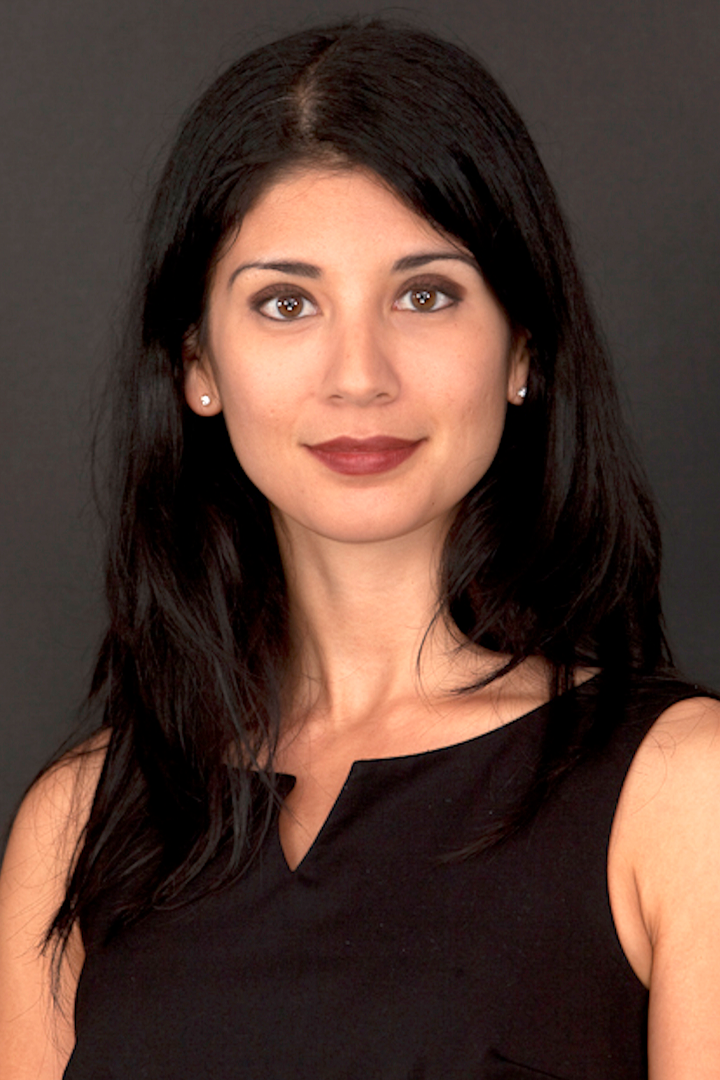
Nicole Hemmer
Associate Professor of History, Vanderbilt University
Director, Carolyn T. and Robert M. Rogers Center for the American Presidency
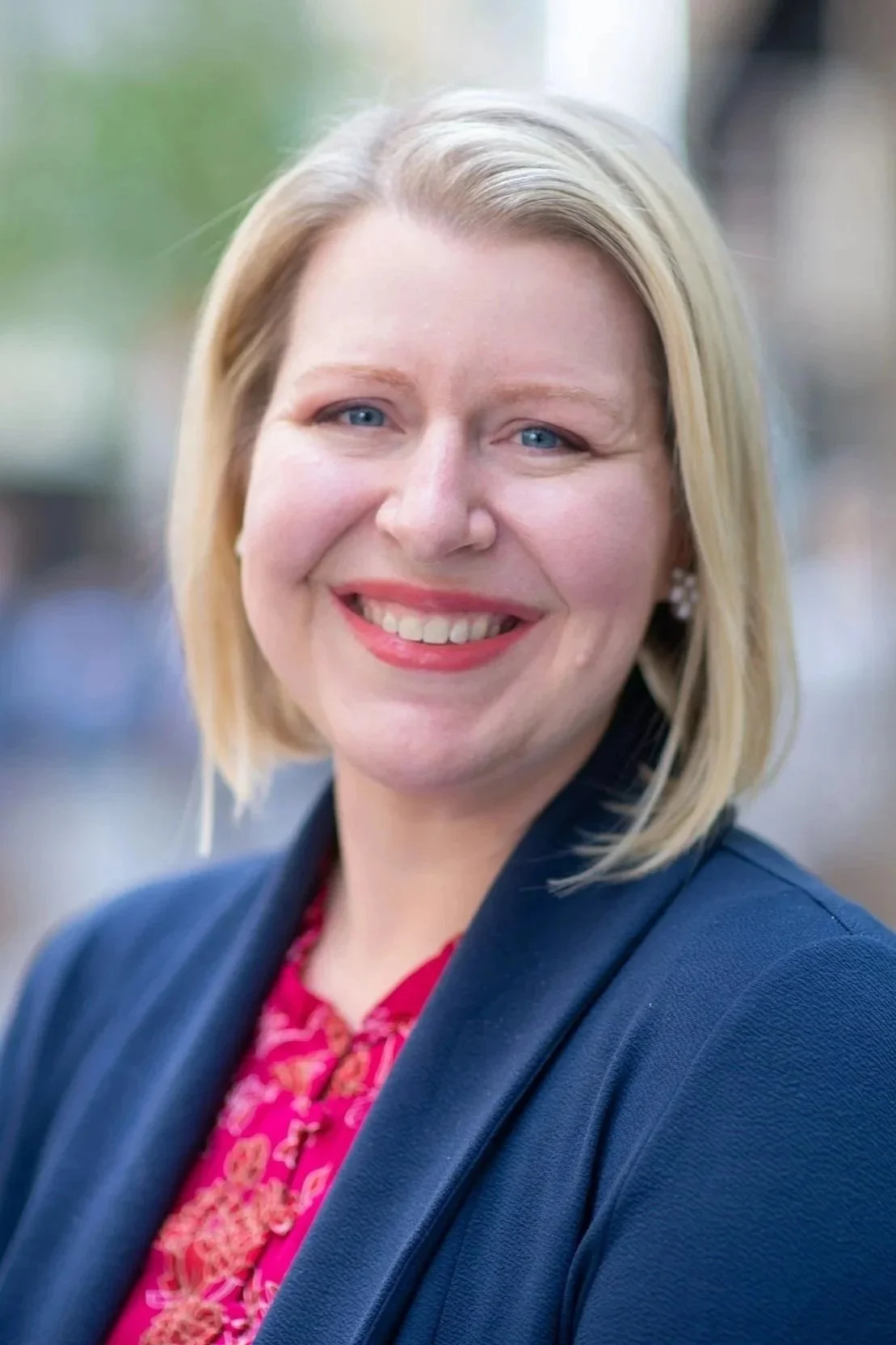
Isaac Kamola
Professor of Political Science, Trinity College
Director, Center for the Defense of Academic Freedom, AAUP
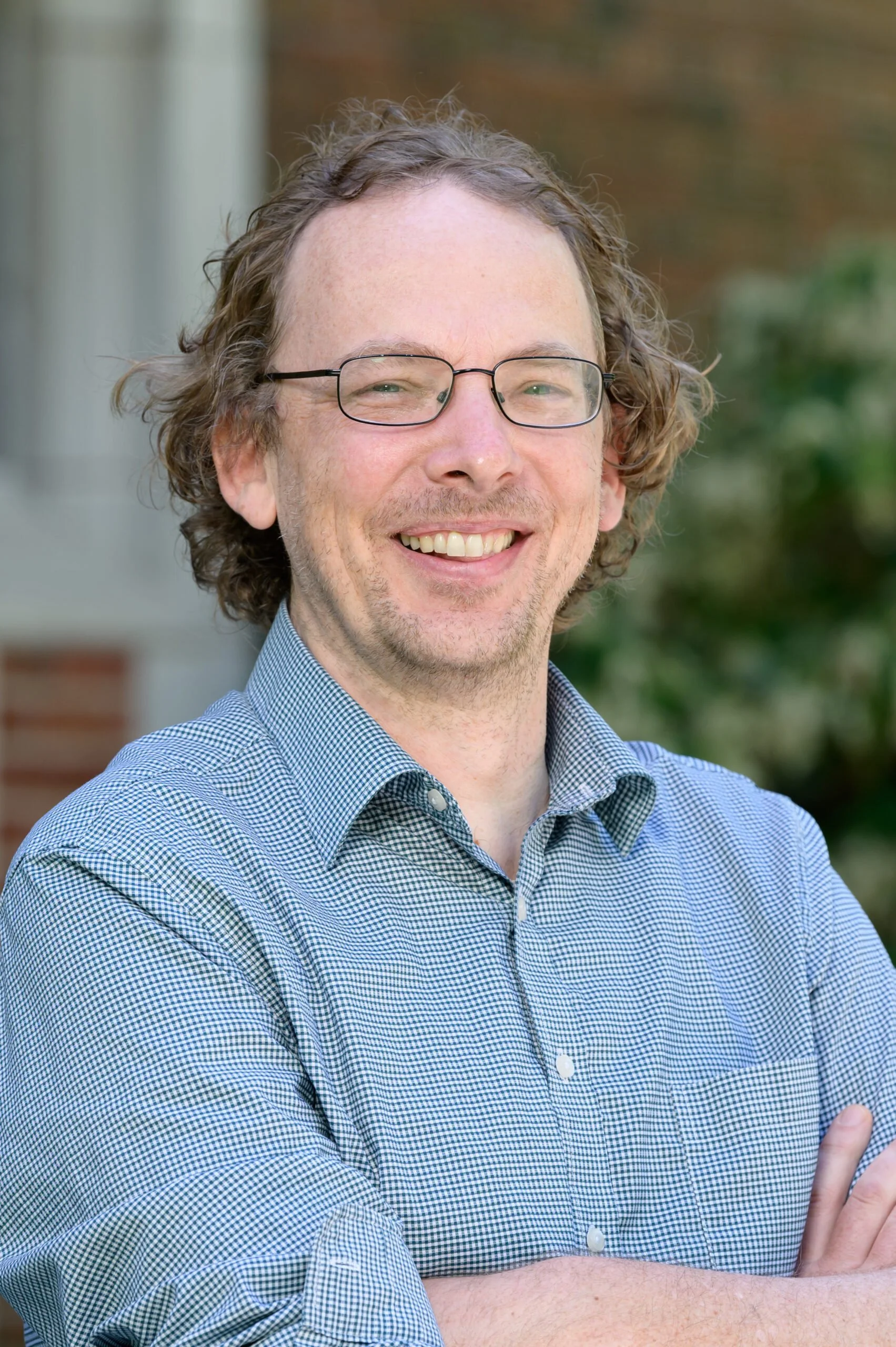
Leila Markosian
Doctoral Student in English, CUNY Graduate Center
Administrative Coordinator, The Baffler
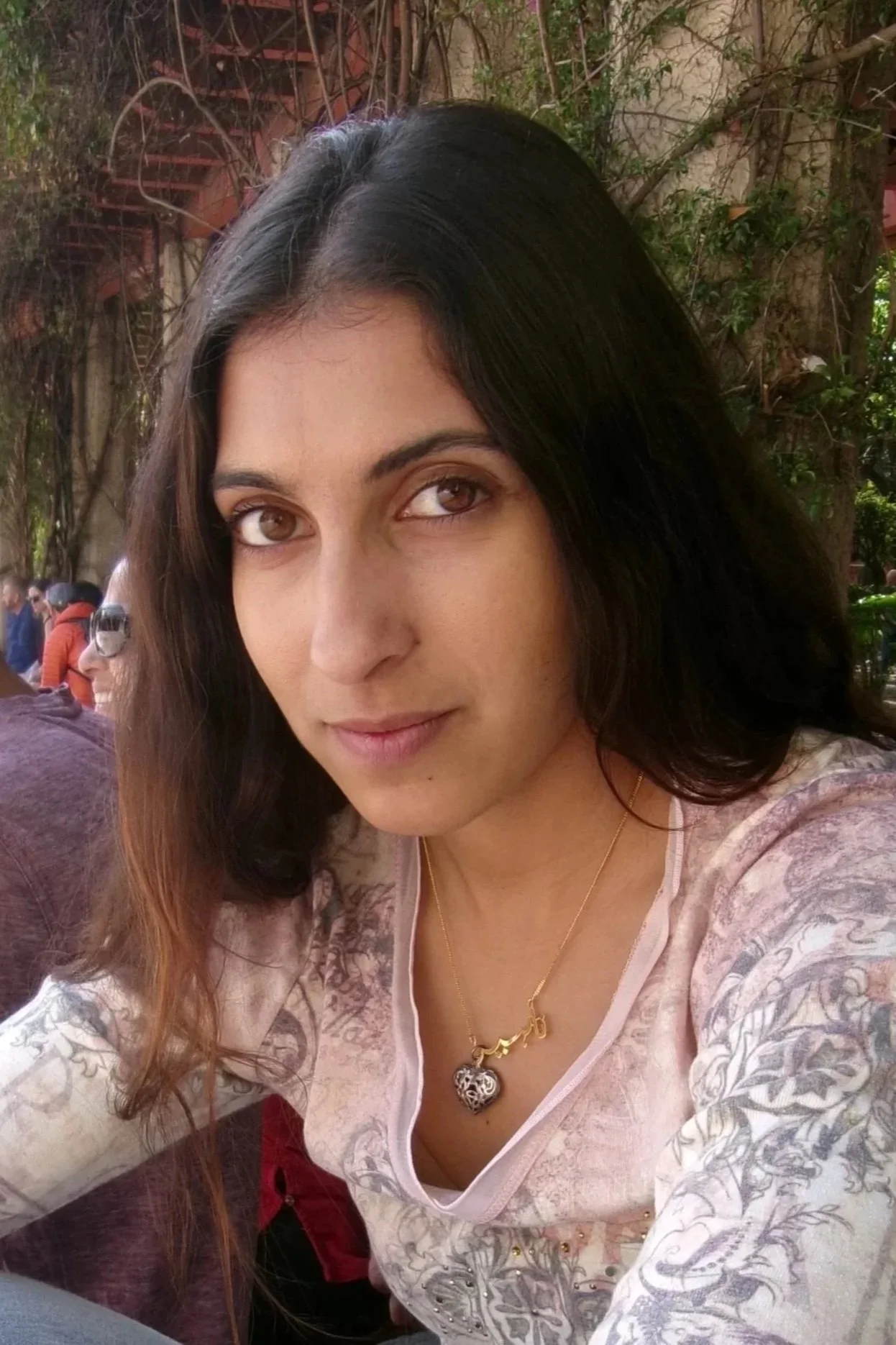
Lauren Lassabe Shepherd
Author, Resistance from the Right: Conservatives and the Campus Wars in Modern America;
Inventing the Liberal University: How a Rightwing Idea Became Mainstream (forthcoming);
Degrees of Liberation: Public History, Campus Activism, and the Fight for Educational Justice (forthcoming)
Host, American Campus Podcast
Bethany Moreton
Professor of History, Dartmouth College
Executive Committee Member, Dartmouth College chapter of the AAUP
Co-Founder, Freedom University
Series Editor, Columbia University Press Studies in the History of U.S. Capitalism
Lisa Siraganian
J. R. Herbert Boone Professor of Humanities,
Department of Comparative Thought and Literature, Johns Hopkins University
President, JHU chapter of AAUP
Contact Us
Interested in working with us? Send us a brief note using this contact form and someone will get in touch.
1.
Refer to our Funder Analysis for criteria used to identify “conservative” and “‘pro-Israel’” organizations. Broadly speaking, the “‘pro-Israel’” label in our data denotes organizations that oppose the BDS movement and similar forms of political dissent as part of their commitment to an ethno-nationalist (i.e., Zionist) state—including those that also advocate for a separate-but-equal Palestinian state. We have added quotation marks around this label for the same reason that we would do so in the case of the “pro-America” views of anti-immigrant groups in the U.S. For additional details on nomenclature, refer to pp. 5-6 of our Funder Analysis.